


Learn How to Safely Boost a Car
A dead battery is one of the most common reasons a vehicle won't start, especially during Ontario's cold winters. Fortunately, learning how to boost a car is relatively simple and can save you time, money, and frustration when you're stuck with a vehicle that won't turn over.
Whether you're helping a friend or dealing with your own dead battery, following the proper steps is important for both safety and preventing damage to your vehicle's electrical system.
Here's a step-by-step guide on how to boost a car safely.
Key Takeaways
- Knowing how to boost a car safely can get you back on the road quickly when your battery dies.
- Always connect jumper cables in the correct order to avoid damage or injury.
- Make sure both vehicles are turned off before connecting the cables.
- A dead battery may indicate a larger issue if it happens frequently.
- Regular battery maintenance can help prevent unexpected breakdowns.
What You'll Need
Before you begin, make sure you have:
- A set of jumper cables
- A vehicle with a fully charged battery
- Safety gloves (optional but recommended)
- Safety glasses (optional)
It's also important to check your owner's manual, as some vehicles have specific jump-start procedures.
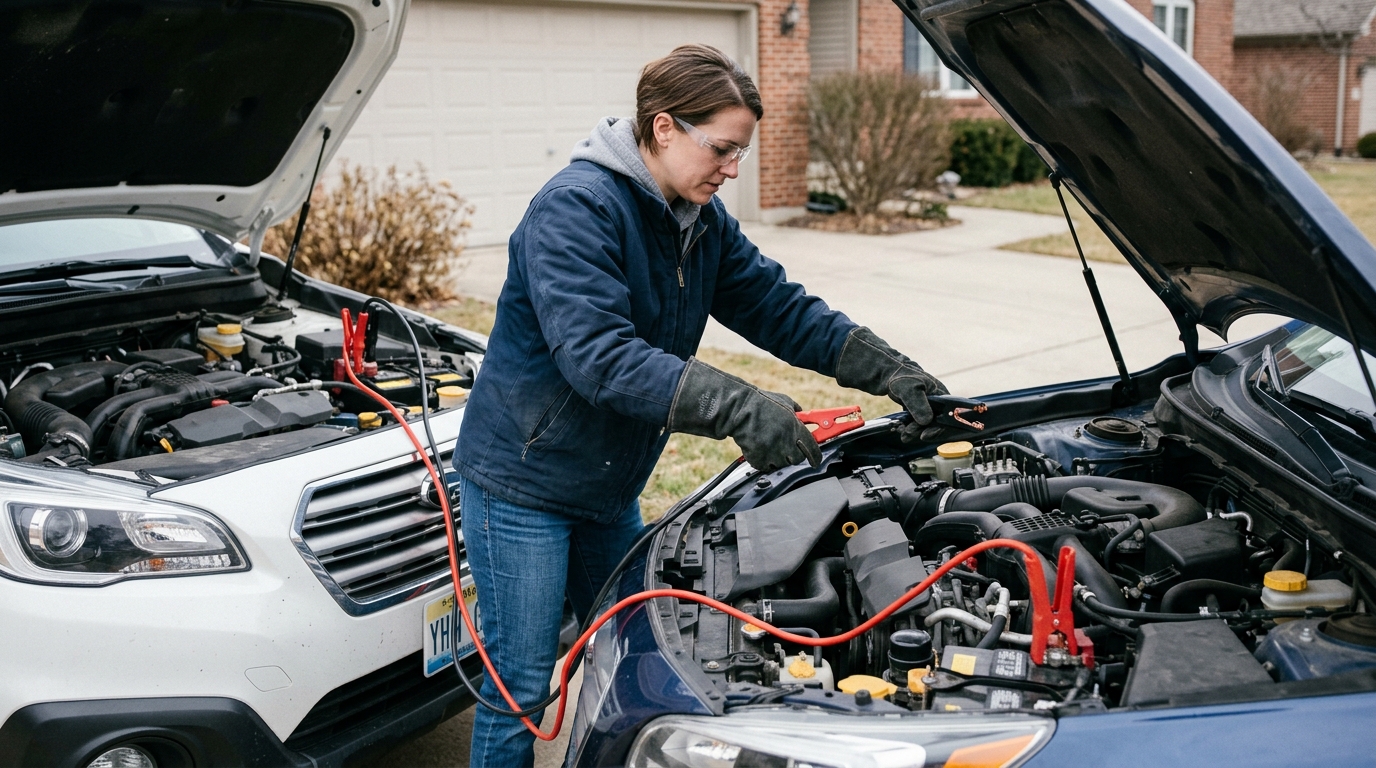
Step-by-Step Guide to Boost a Car
Step 1: Park the Vehicles Properly
Position the vehicle with the good battery close enough for the jumper cables to reach, but make sure the vehicles are not touching each other.
Then:
- Put both vehicles in Park (or Neutral for manual transmissions)
- Engage the parking brakes
- Turn off both engines
- Turn off headlights, radios, and accessories
This helps reduce the risk of electrical issues during the process.
Step 2: Locate the Battery Terminals
Open the hood of both vehicles and identify:
- The positive (+) terminal
- The negative (-) terminal
The positive terminal is usually covered with a red cap or marked with a "+" symbol.
The negative terminal is typically black and marked with a "-" symbol.
If you notice corrosion or damage around the battery, use caution and consider professional assistance.
Step 3: Connect the Jumper Cables
This is the most important part of learning how to boost a car.
Follow this exact order:
Connect the Red Cable
- Attach one red clamp to the positive (+) terminal of the dead battery.
- Attach the other red clamp to the positive (+) terminal of the charged battery.
Connect the Black Cable - Attach one black clamp to the negative (-) terminal of the charged battery.
- Attach the remaining black clamp to an unpainted metal surface on the vehicle with the dead battery, such as a bolt or engine bracket.
Do not connect the final black clamp directly to the dead battery's negative terminal.
Step 4: Start the Working Vehicle
Start the vehicle with the good battery and let it run for several minutes.
This allows the dead battery to receive a charge.
After about 3–5 minutes, try starting the vehicle with the dead battery.
If it doesn't start immediately, wait a few more minutes and try again.
Step 5: Remove the Cables Safely
Once the vehicle starts, disconnect the cables in the reverse order:
- Remove the black clamp from the metal grounding point.
- Remove the black clamp from the charged battery.
- Remove the red clamp from the charged battery.
- Remove the red clamp from the previously dead battery.
Be careful not to let the clamps touch each other during removal.
Step 6: Let the Vehicle Run
After successfully boosting the car, let it run for at least 20–30 minutes.
Driving the vehicle can help recharge the battery through the alternator.
However, if the battery dies again shortly afterward, you may have:
- A failing battery
- A faulty alternator
- An electrical system issue
In these cases, further inspection is recommended.
Common Mistakes to Avoid
When learning how to boost a car, avoid these common mistakes:
- Connecting cables in the wrong order
- Allowing jumper cable clamps to touch
- Connecting the final negative clamp directly to the dead battery
- Attempting to boost a visibly damaged battery
- Ignoring repeated battery failures
Following proper procedures helps reduce the risk of sparks, battery damage, and electrical issues.
How to Prevent a Dead Battery
While knowing how to boost a car is helpful, prevention is even better.
To extend battery life:
- Turn off lights when exiting the vehicle
- Limit accessory use when the engine isn't running
- Keep battery terminals clean
- Test your battery regularly
- Replace aging batteries before they fail
Ontario's cold winters can be particularly hard on vehicle batteries, so routine maintenance is important.
Final Thoughts
Every driver should know how to boost a car safely. A dead battery can happen unexpectedly, but with the right equipment and proper procedure, you can often get back on the road within minutes.
By following these simple steps and practicing good battery maintenance, you'll be better prepared the next time your vehicle refuses to start.
Reliable transportation starts with proper vehicle care and sometimes that begins with knowing how to safely boost a car when you need it most.